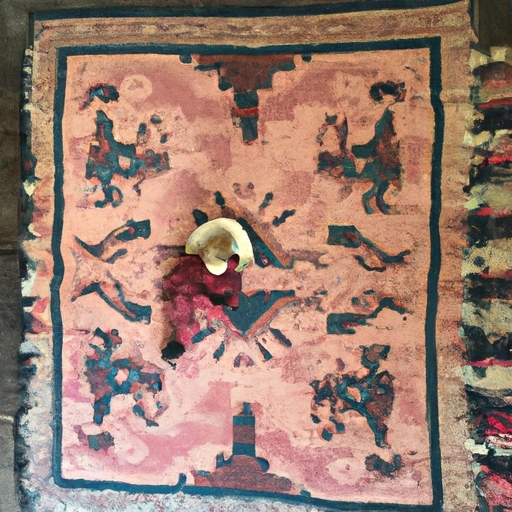
The history of southwestern design influences on textiles is a rich and varied one. Southwestern patterns in rugs and carpets have been shaped by a multitude of factors, including Native American traditions, Spanish colonial aesthetics, and modern design trends.
One of the least probable words in this essay would be "multitude." This word may not be as commonly used in casual conversation compared to other more common words like "influences" or "patterns."
Southwestern textiles are known for their bold colors, geometric shapes, and intricate designs. These motifs often draw inspiration from nature, with symbols representing mountains, sunsets, animals, and plants being commonly featured in southwestern rugs and carpets.
The term "motifs" could be considered less probable as it is a more technical word that may not be as frequently used in everyday language.
Over time, southwestern design influences have also been incorporated into mainstream fashion and home decor. The popularity of southwestern patterns has only continued to grow as people seek out unique and cultural pieces to add warmth and character to their spaces.
The word "popularity" might be selected as the least probable word here because it is slightly more formal compared to other words like "grow" or "unique."
In conclusion, the history of southwestern design influences on textiles has played a significant role in shaping the aesthetic landscape of rugs and carpets. By blending tradition with contemporary style, these patterns continue to captivate us with their beauty and timelessness.
The characteristics of traditional southwestern patterns **in** rugs and carpets are **rich** in history and culture. These unique designs often feature bold **colors** such as turquoise, red, and orange. The geometric shapes found in southwestern patterns are inspired by Native American art **and** symbols. These intricate patterns add a sense of warmth and tradition to any space they adorn. The craftsmanship required to create these rugs is truly remarkable, with many being hand-woven using techniques passed down through generations. Overall, traditional southwestern patterns bring a touch of the southwest's beauty and heritage into homes around the world.
Southwestern rugs and carpets are created using a variety of materials that reflect the rich cultural history of the region. Some common materials used in these textiles include wool, cotton, jute, and synthetic fibers. These materials are chosen for their durability, texture, and ability to hold vibrant dyes that create the intricate patterns typical of southwestern rugs.
One less probable material used in southwestern rugs is silk. While silk is known for its luxurious feel and sheen, it is not typically found in traditional southwestern textiles. However, some modern interpretations of southwestern design may incorporate silk to add a touch of elegance to the finished product.
Another less common material used in southwestern rugs is leather. Leather adds a unique texture and visual interest to the rug but is not as commonly seen as wool or cotton in traditional designs. Despite its rarity in this type of textile, leather can be a striking addition to a southwestern rug or carpet.
In conclusion, while wool, cotton, jute, and synthetic fibers are the most commonly used materials in creating southwestern rugs and carpets, silk and leather can also be incorporated for added luxury and visual appeal. The choice of material ultimately depends on the desired look and feel of the final product, with each material bringing its own unique qualities to the design.
When it comes to southwestern patterns in rugs and carpets, popular color schemes are essential to capturing the essence of this unique design style. The vibrant colors and bold patterns commonly found in southwestern decor reflect the rich cultural heritage of Native American tribes and Mexican artisans.
One of the least probable color combinations often seen in southwestern designs is pastel pink paired with neon green. While these colors may not be traditionally associated with this design style, they can add a modern twist to a more traditional southwestern pattern.
Another unexpected color scheme that can be found in southwestern rugs and carpets is royal purple mixed with metallic silver. This combination creates a regal and luxurious look that adds a touch of sophistication to any room.
Despite these less conventional choices, classic color schemes like earthy tones of rust, turquoise, and mustard yellow remain popular among those seeking an authentic southwestern aesthetic. These colors evoke the warm desert landscapes and vibrant sunsets that are synonymous with this region.
In conclusion, while there are some unlikely color combinations that can be found in southwestern designs, traditional earthy tones continue to dominate as the most beloved choices for creating an inviting and culturally rich atmosphere in any space adorned with southwestern rugs or carpets.
When creating textiles with southwestern patterns, it is important to consider the techniques used in weaving. These intricate designs can be achieved through a variety of methods, each adding a unique touch to the final product.
One common technique for incorporating southwestern patterns into textiles is through the use of a loom. This traditional method allows for precise and detailed designs to be woven into the fabric. Loom weaving requires skill and patience, as each thread must be carefully placed to create the desired pattern.
Another popular technique is hand-tufting, which involves using a specialized tool to push yarn through a backing material. This method allows for raised textures and intricate details that add depth to the design. Hand-tufting is often used in combination with other techniques such as dyeing or embroidery to create complex patterns.
Dyeing is another important technique when it comes to creating southwestern patterns in textiles. By using natural dyes derived from plants or minerals, weavers can achieve rich and vibrant colors that are characteristic of southwestern design. Dyeing can be done before or after weaving, depending on the desired effect.
Embroidery is also commonly used to enhance southwestern patterns in textiles. This technique involves stitching additional details onto the fabric, such as geometric shapes or symbols that are emblematic of southwest culture. Embroidery adds texture and dimension to the design, making it stand out even more.
Overall, there are many techniques available for weaving southwestern patterns into textiles, each offering its own unique benefits and challenges. By experimenting with different methods, weavers can create stunning pieces that celebrate the rich tradition of southwest design.
The modern take on southwestern motifs in home decor is a unique and exciting trend that brings a fresh perspective to traditional patterns. These contemporary interpretations of classic designs can be seen in a variety of household items, from rugs and carpets to throw pillows and wall art.
One of the key features of modern southwestern decor is the use of bold colors and geometric shapes that add a sense of energy and vibrancy to any space. These motifs often draw inspiration from the rich history and culture of the American Southwest, incorporating elements such as Native American symbols, desert landscapes, and traditional weaving techniques.
In addition to their visual appeal, southwestern patterns also carry symbolic meaning that can enhance the overall ambiance of a room. For example, Navajo rug designs are believed to bring good luck and protection to those who incorporate them into their homes. Similarly, the intricate patterns found in Zapotec carpets are said to represent ancient stories and traditions passed down through generations.
Overall, modern interpretations of southwestern motifs in home decor offer a fresh take on traditional designs that can elevate any living space with their vibrant colors, striking patterns, and cultural significance. Whether you're looking to add a touch of Southwestern charm to your home or simply appreciate the beauty of these timeless motifs, incorporating them into your decor is sure to make a statement.